

Water Quality Grants
The Shuswap Watershed Council is encouraging work to keep nutrients on the land, and out of surface waters.
Up to $45,000 in funding for nutrient management projects has been made available in 2025.
The application period closed on January 31st, 2025. All eligible applications were evaluated, and projects were selected for funding in March. To learn more, see our media release here.
About the Water Quality Grant Program
The SWC’s Water Quality Grant Program was first launched in early 2020. The purpose of the grant program is to provide financial assistance to farms and other large land holdings for projects to improve nutrient management, and to ultimately reduce the amount of nutrients that wash off or leach out of soils into nearby creeks, rivers, and lakes within the Shuswap watershed. By retaining nutrients in soils, and preventing their movement to nearby watercourses, a win-win situation is created for farms and for water quality.
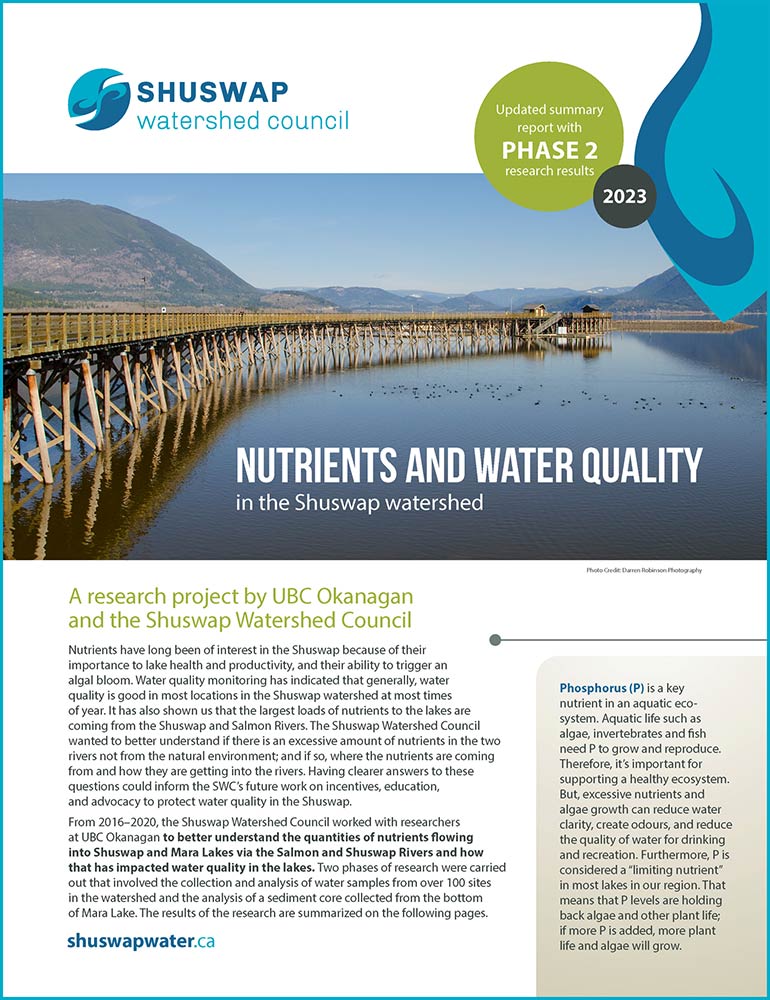
The grant program is administered through a process of applications, review and approvals.
While applications for the latest round of funding closed in January 2025, see the Grant Program Guide (2024-2025) to learn about eligibility criteria, the evaluation process, terms and payments of grants and more.
For more information about the SWC’s Water Quality Grant Program, see also:
Why is the Shuswap Watershed Council offering grant funding focused on nutrients?
Nutrients such as phosphorus and nitrogen are an important part of any ecosystem. In an aquatic system like Shuswap Lake, they are the basis of the food chain for algae, plants, invertebrates (insects), and fish. However, if too many nutrients – especially phosphorus – flow into a lake, it can trigger an algal bloom which in turn reduces the quality of water for drinking and recreation, creates odours, and can even be toxic to people, pets and livestock.
From 2016-2021, the Shuswap Watershed Council worked with researchers at UBC Okanagan to better understand nutrients in the Shuswap watershed. Two phases of research were carried out. The results showed us that the highest proportions of phosphorus in the lakes come from the settled valley bottoms of the Shuswap River and Salmon River where there are farms, homes, and commercial development. It has also shown us that the time to intervene with new and improved nutrient management strategies is now – because the levels of phosphorus in the rivers and lakes have been steadily increasing for about four decades.
To protect water quality from too many nutrients and the potential for more frequent or severe algal blooms, the Shuswap Watershed Council has created the Water Quality Grant Program. Farmers, landowners and stewardship groups are invited to apply for funding for projects that protect water quality or to implement new practices to improve nutrient management and soil health. The ultimate goal of the grant program is to work with farms and other partners to stop the flow of phosphorus-rich waters and effluent so that nutrients stay in the soil, and don’t end up in rivers and lakes where it could contribute to water quality concerns.
Water Quality Improvement Projects
Summaries of projects completed with funding from the Shuswap Watershed Council
2024 Grants
A fifth round of water quality protection and improvement projects assisted by grant funding from the Shuswap Watershed Council was carried out in 2024. Here is a summary of those projects.
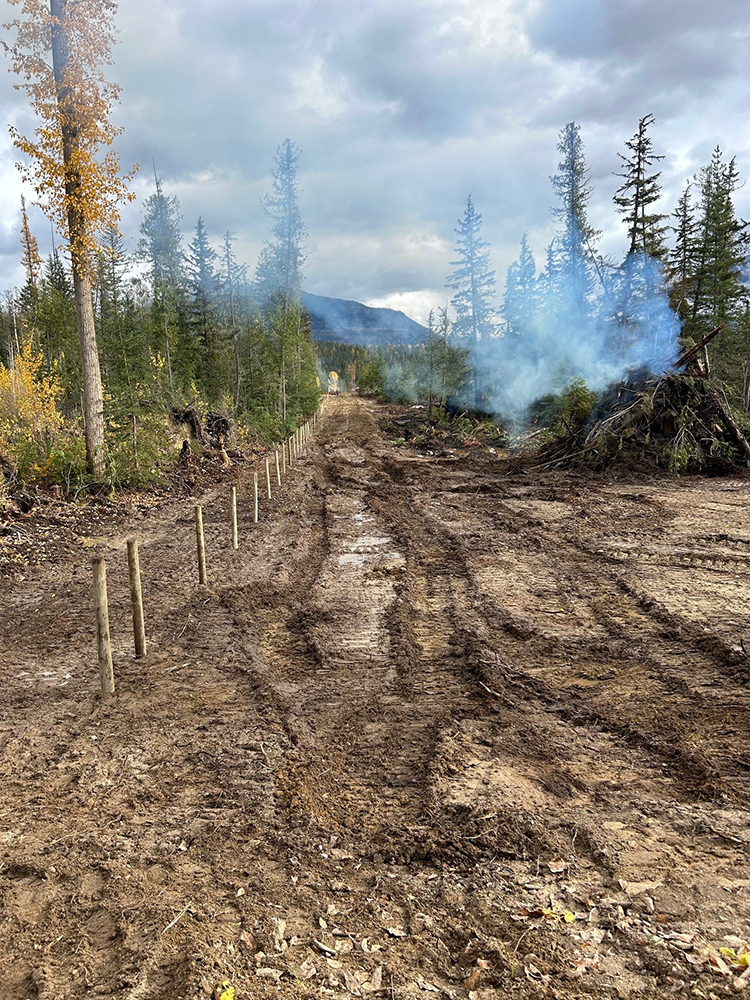 Jeff and Kristy Czepil (Kingfisher) installed fencing on their farm along Kingfisher Creek to prevent livestock from entering the creek.

Gietema Farms (Grindrod) installed a Precision GPS for the tractor to allow the application of manure, fertilizer and seed to agricultural land in a more precise manner and reduce the risk of over-application.
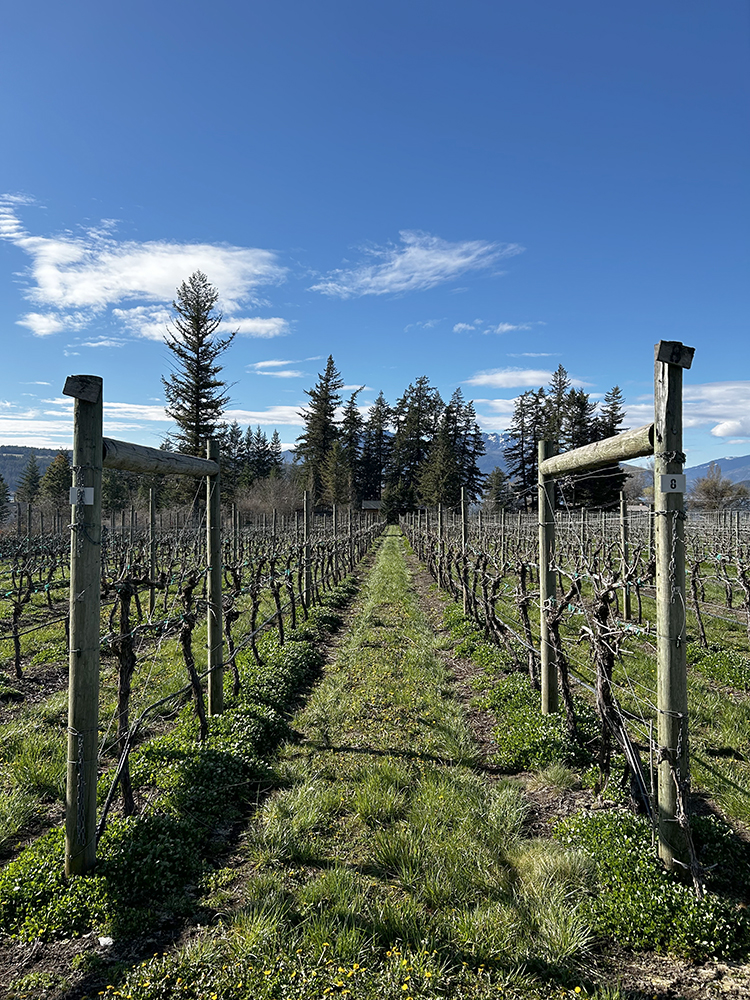 Sunnybrae Winery (Sunnybrae) upgraded their irrigation stations to support fertigation, an efficient method of nutrient application whereby fertilizers are injected via the irrigation system, resulting in greater nutrient uptake by the crop, greater water efficiency, and reduced groundwater contamination.
The winery also purchased an under-vine mower to better manage and optimize the white Dutch clover cover crop.
 Syme Farm (Salmon Valley) constructed a new concrete pad with side-walls for manure storage on-farm in order to reduce nutrient leaching and run-off. The pad was constructed in parallel with a liquid manure storage pit to contain nutrient-rich effluent.
 Foxtrot Dairy (Deep Creek) replaced a livestock exclusion fence along Waby Creek, which runs through the farm. The new fence, approximately 3000 feet, allows for a larger riparian setback and keeps cattle well away from the creek, preventing streambank trampling, sedimentation and manure deposition directly into the creek.
2023 Grants
A fourth round of water quality protection and improvement projects assisted by grant funding from the Shuswap Watershed Council was carried out in 2023. Here is a summary of those projects.
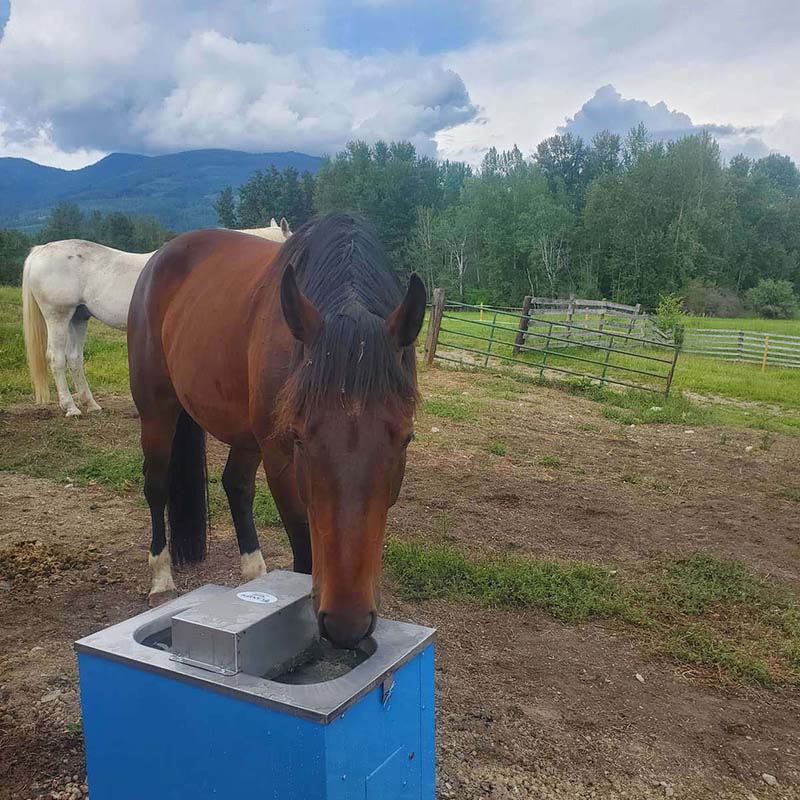 Iron Horse Ranch (Celista) installed new paddock cross fencing to better manage animals on the property, improve the distribution of manure, and keep animals off wet areas of the property during the spring. Riparian fencing and off-stream waterers were installed to keep animals out of a creek that drains through the property.
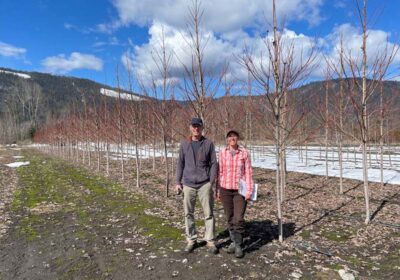 Rivershore Nursery (Mara) introduced 4 acres of cover cropping, new organic soil amendments, and replaced overhead sprinkler irrigation with a more efficient drip system to improve soil health and reduce surface run-off to ditches and to the Shuswap River. The nursery also introduced a new mycorrhizal inoculation to new planting stock to reduce the need for phosphorus fertilizers.
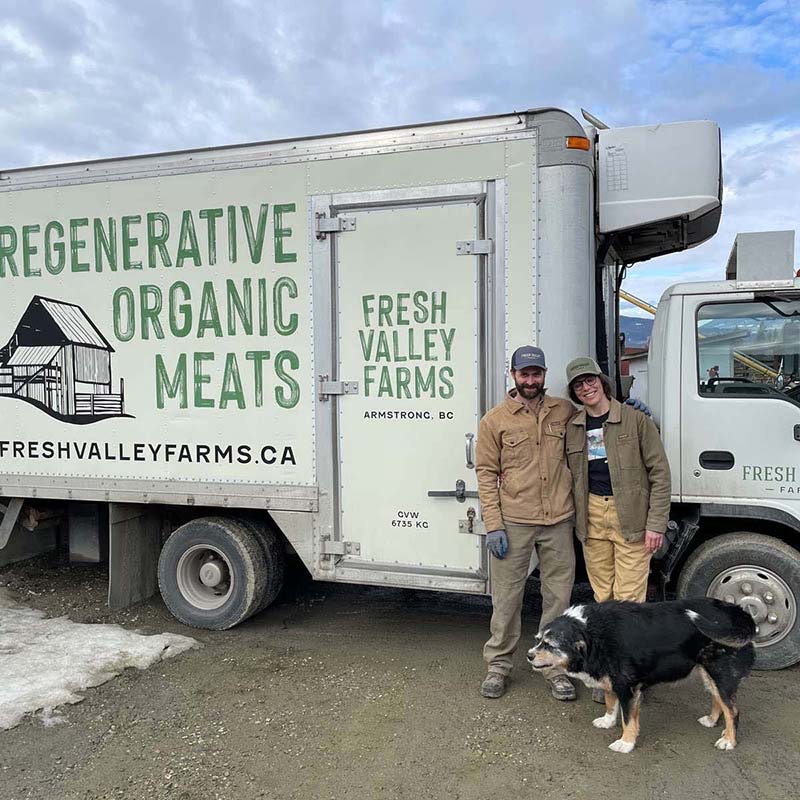 Fresh Valley Farms (Spallumcheen) installed a new enclosed and automated pastured livestock system to manage livestock rotations across pastures and improve manure deposition, resulting in improved soil health and decreased nutrient loss through leaching and run-off.
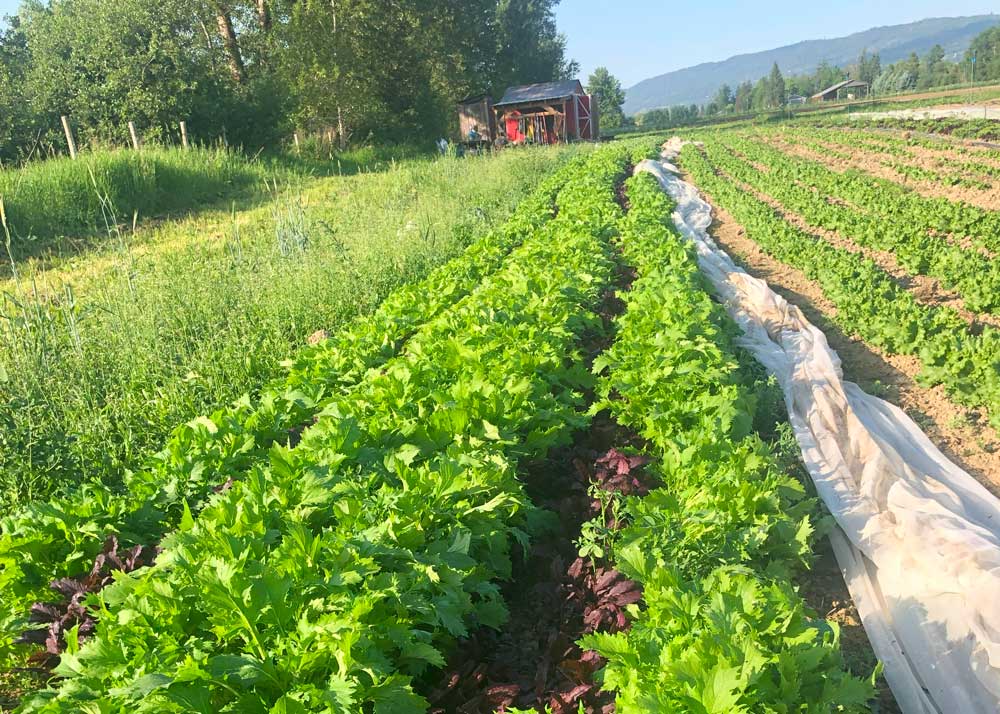 Shuswap Organics (Grindrod) introduced new regenerative agriculture practices including cover cropping and no-till to improve soil health on the farm and improve its ability to store and cycle nutrients
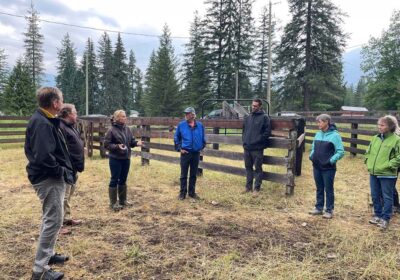 Crystal Lake Ranch (Malakwa) installed new fencing adjacent to the riparian area along the Eagle River to control livestock access, and installed a new off-stream livestock waterer on the ranch.
2022 Grants
The third round of water quality protection and improvement projects assisted by grant funding from the SWC was carried out in 2022. Here is a summary of those projects.
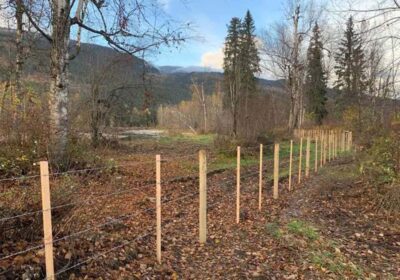 Crystal Lake Ranch (Malakwa) restored a 600-metre section of riverbank along the Eagle River, including bank stabilization, riparian habitat restoration, and fencing to control livestock access to the riparian area.
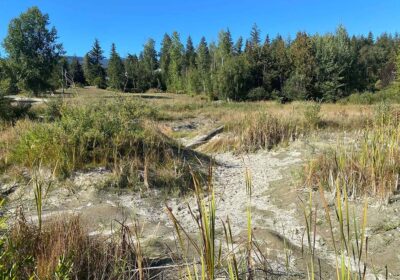
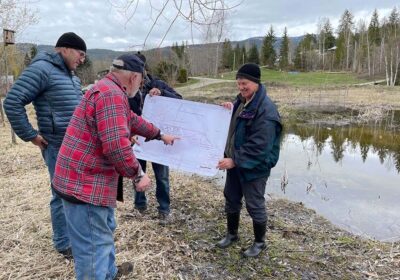
Gardom Lake Stewardship Society constructed an expansion to the wetland along upper Gardom Creek, which flows into Gardom Lake.
2021 Grants
The second round of water quality protection and improvement projects assisted by grant funding from the SWC was carried out in 2021. Here is a summary of those projects.
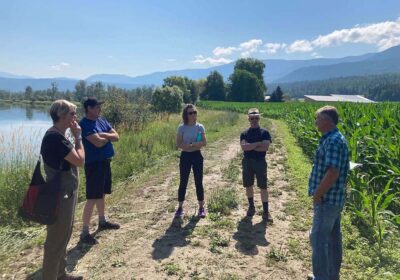 Trinity Dairies (Enderby) improved drainage on cropland to prevent nutrient-enriched flood waters flowing off fields during spring freshet.
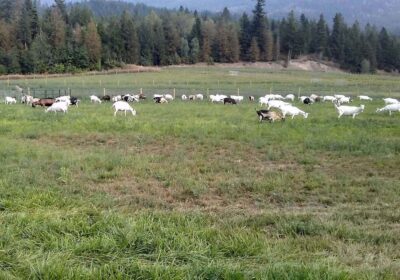 Hillside Dreams Goat Dairy (Salmon Arm) introduced a new livestock grazing regime, including the construction of eight paddocks with automatic watering, used throughout the growing season to manage livestock manure and prevent direct access to the Salmon River by livestock.
2020 Grants
The first round of water quality improvement projects assisted by grant funding from the SWC was carried out in 2020. Here is a summary of those projects.
 Swaan Farms installed a “HarveStore” to safely collect and store liquid effluent from dairy manure to be applied to crops on the farm at the appropriate time.
 Hillside Dreams Goat Dairy completed a few projects including the installation of fencing between the farm and the Salmon River to keep livestock out of the river; construction of a stable berm between the river and a barn to mitigate the risk of flooding and prevent floodwaters from becoming nutrient-enriched in the nearby barnyard; and re-construction of a manure pit to improve its impermeability.
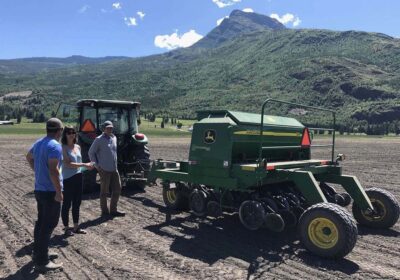 Lakeland Farms completed a cover-crop trial project, which involved planting various species for cover and demonstrating the techniques and benefits of cover crops to other producers in the area. Mike Schroeder of Lakeland Farms has summarized the five cover-crop trials carried out in 2020 on his farm: read Cover Crops Project – Fall 2021 report.
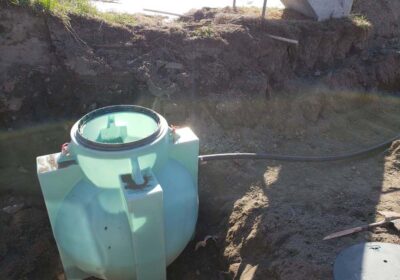 Grass Roots Dairies replaced an effluent treatment storage facility, including the installation of a sump, pump and pipe.
The SWC produced a short, informative video with these four Salmon Valley-based farms that received grant funding from the SWC in 2020.
Previous water quality improvement and restoration partnership projects
he Shuswap Watershed Council has previously provided one-time grants of $10,000 for water quality improvement and restoration projects.
Top Banner Photo: Darren Robinson, Shuswap Tourism